Following the first details about the PlayStation 5 announced last week by lead system architect Mark Cerny, Sony has now officially confirmed a next-generation console. In the company's latest earnings report, Sony said its gaming division experienced an "increase in development expenses for the next generation console."
That's all Sony had to say on the subject of the PS5, however.
According to Kotaku's Jason Schreier, Sony's decision to seemingly randomly announce the PS5 was not completely random. Schreier says that one reason is because Sony just started to deliver PS5 devkits to third-party studios, and they wanted to get ahead of leaks.
Also in the earnings report, Sony announced that it shipped 17.8 million PS4 consoles during the fiscal year ended March 31. That's down from 19 million during the year prior. In all, the PS4 has now sold 96.8 million consoles worldwide since its release in 2013.
PS4 sales have been falling annually for years now, which makes sense given the console is so old. For the current fiscal year, Sony expects PS4 sales to drop yet again, falling to 16 million.
It was also confirmed in the earnings report that Sony has 36.4 million paying PlayStation Plus subscribers. Sony's digital offerings are doing very well. PlayStation Network revenue, including full-game downloads, DLC, PS Now, and PlayStation Plus, amounted to over $12.8 billion for the year, which is a new yearly record.
Sony's video game division overall, called Game and Network Services, saw revenue of $20.9 billion. PS4 sales dropped, as mentioned, but this decline was partially offset by more PS4 game sales and PlayStation Plus subscriptions. Some of the numbers and analysis here was compiled by Niko Partners senior analyst Daniel Ahmad.
We're going into Friday with some bad news for Sinemia and the potential for one-day default Amazon Prime shipping. Also: turn the tables on the CIA and follow them on Instagram.
Remember iFixit's teardown of a pre-release Samsung Galaxy Fold? Great, now forget it. Samsung requested -- via the "trusted partner" that provided the donor device -- that iFixit pull its teardown, and the site complied voluntarily. Of course, the Internet Archive is still there if you really want to see the Fold's hinge undressed, or you could wait for a new release date so iFixit can grab a retail model and find out what, if anything, is different.
Sony's earnings report warns it expects to make even less profit in the next year, as PlayStation 4 sales slow down, and it invests in its replacement. In the last year, 17.8 million consoles were sold, less than the 19 million sold in 2017.
After quickly rushing through a series of plan changes and account terminations, the subscription movie-theater ticket service has announced it's shutting down. A note on the front page of Sinemia's website confirms what subscribers have suspected, citing "unexpected legal proceedings" (including a patent lawsuit filed by MoviePass) and lack of capital. Instead, the company may pivot to building subscription services for theater owners.
In a call to investors following Amazon's first quarterly earnings report, CFO Brian Olsavsky said the company is working on changing the two-day default to just one. "We're currently working on evolving our Prime shipping program, which has historically been a two-day program, to a one-day shipping program," he said. "We'll be building most of this capacity through the year in 2019."
In a bid for transparency that will probably only reveal how thirsty it is for likes, the CIA made its first Instagram post Thursday afternoon. There's a wig disguise and a paper bag labeled "Top Secret Pulp". The caption is "I spy with my little eye...".
I have been tech-obsessed from the time my father introduced me to my first computer, an Apple ][. Since then, I have been particularly interested in all things Apple, but also enjoy exploring and experimenting with any computing platform that I can get my hands on – I am the definitive early adopter! I have always been interested in how we can use technology to shape and improve our lives, most recently using it to record, mix and master my debut record, Acuity – Nature | Nurture.
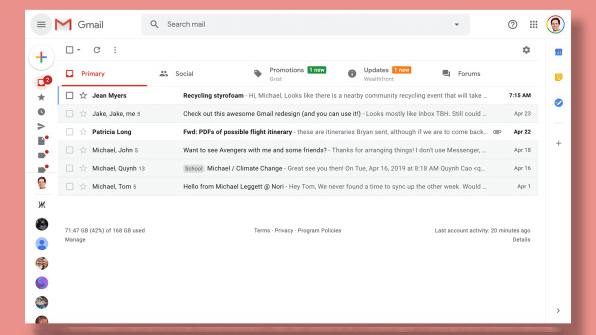
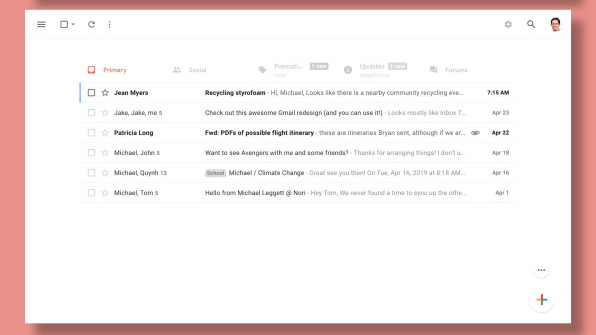
The co-creator of Google’s beloved-yet-discontinued Inbox app, and former lead designer for Gmail, has released a new Chrome extension that considerably simplifies Gmail’s web interface.
The extension makes numerous small tweaks to Gmail’s web interface. The left and right sidebars are hidden behind a pair of menu buttons, the search bar at the top of the screen is minimized by default, and the button to compose a new email has moved from the top left to the bottom right.
Another prominent change is the removal of the Gmail logo. “Go look at any desktop app and tell me how many have a huge fucking logo in the top left,” Leggett explained in an interview with Fast Company, “C’mon. It’s pure ego, pure bullshit. Drop the logo. Give me a break.”
The extension mirrors the strategy Leggett adopted while at Google where he used the experimental Inbox to introduce features and encourage the company to change the Gmail service. “The best I could hope for is, it’s really good and Google will force people to switch to Inbox, or it’s really good and they take the best features and put into Gmail,” Leggett said of his original aims. Gmail would later adopt many of Inbox’s ideas, including Smart Replies and the ability to snooze emails.
For what it’s worth, I like some of the changes the extension makes, but I think others go too far. Hiding the sidebars and search bar makes the interface look neater, and I like the repositioned button to open a new email. But I don’t like the removal of the Gmail logo. Leggett might think it’s “pure ego,” but I like a visual indicator of what site I’m looking at for when I’m quickly skipping through my open tabs.
After the PS5 was confirmed by Sony in a surprise move earlier this month, many questions remain about the nature of the next-gen console, including details about the release date, architecture, and the PS5 price point that day-one buyers can expect.
While Sony is keeping its cards close to its chest for now, a recent earnings call by the tech company has shed a brighter light on the Sony's plans for the product, and in a subsequently released earnings report, the development of the PS5 was again reconfirmed, stating an "increase in development expensed for the next generation console."
However, according to tech reporter Takahishi Mochizuki, who transcribed the conversation that took place during the call itself, Sony stated that there would be "no next-gen PlayStation launch over [the] next 12 months." That means that we won't be seeing the release of the PS5 until May 2020 at the earliest, and even that's an optimistic prediction.
Historically, next-gen consoles are released in the third or fourth quarter of the financial year, closer to the Holiday season rather than Spring, so perhaps an October/November 2020 launch window is more feasible. Meanwhile, Microsoft has yet to lift the curtain on its Xbox Project Scarlett, but there's a chance it has plans to do so in June, alongside the debut of its E3 2019 games on the stage of its press briefing at the expo.
Kotaku's Jason Schreier has recently suggested that the reason Sony had the PS5 confirmed so early is to get ahead of any leaks, as developers start to receive press kits for the console this year. Whether we'll hear any more about the hardware within the next few months is debatable, but we need all the time we can get to our heads around the ray-tracing tech that is being used to build the next generation of the PlayStation Nation.
We're still not done with this generation. Check out the big new games of 2019 on the way, or watch the video below for a guide to the week in entertainment ahead.
Japanese games have made a dramatic resurgence these last few years. Just the past few months, in fact, have seen the release of several top notch titles from the east, and it only looks set to continue. Japan's Golden Week celebration is fast approaching, so now is an opportune time to nab a game or two in PlayStation's annual sale. The North American PS Store offer isn't live quite yet - presumably it'll begin when the holiday itself does on 29th April - but Sony has detailed the huge list of included games over on the PlayStation Blog.
Here's the link again if you want to check out the full list of games in the Golden Week sale, which runs until 7th May. Will you be buying anything? Let us know in the comments below.
Better late than never, I guess. Microsoft released the usual second batch of updates that it releases each month for Windows 10 version 1607, 1703, 1709 and Windows 10 version 1803. The patch for Windows 10 version 1809 is late, as usual, and monthly previews for Windows 7 Service Pack 1 and Windows 8.1 are available as well.
Woody Leonard spotted the updates first, and he called them lame as they include a truckload of Japanese Era fixes and just some other changes.
The updates are available on Windows Update already. I recommend you wait with the installation unless you are affected by one of the issues that they resolve. In any case, make sure you back up the system and all important data properly before you start the update process.
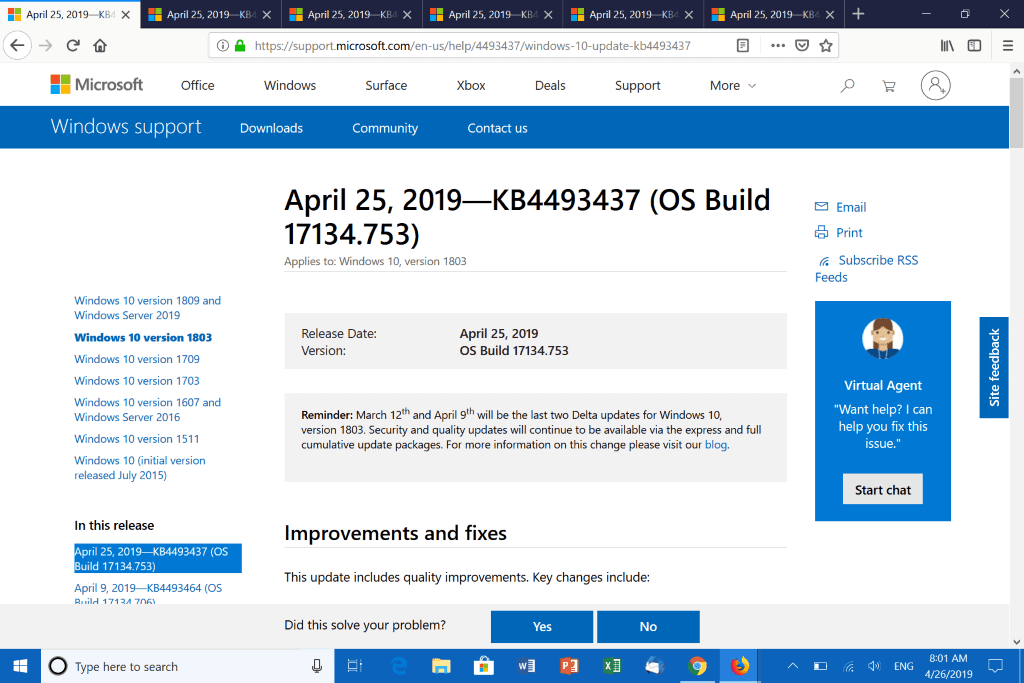
KB4493437 for Windows 10 version 1803
Here are the changes for the KB4493437 update for Windows 10 version 1803:
Lots of Japanese Era fixes.
Fixed an Internet Explorer issue that caused HTTP downloads on HTTPS pages to be blocked.
Fixed the Custom URI schemes issue in Internet Explorer.
Built-in Administrator account may launch Microsoft Office setup after downloading the installer in Edge.
Fixed an issue that caused the loss of Favorites or Reading List in Edge after system updates.
Fixed an App Container issue that disabled it for Microsoft Office.
Fixed a folder redirection issue when setting the Roaming AppData folder to a network path that prevented certain apps from launching.
Fixed an issue that caused the removal of Microsoft Office apps to stop responding and blocked the installation of newer versions of these applications.
Fixed the error "0x3B_c0000005_win32kfull!vSetPointer".
Fixed a scrolling issue that caused user interfaces to stop responding for multiple seconds.
Fixed an issue that caused the touch screen to stop responding after restarts.
Allow devices managed by Configuration Manager to be enrolled in Microsoft Intune without user interaction.
Fixed a BitLocker issue that prevented the encryption of removable drives with Azure Directory or Azure Active Directory.
Addressed a memory leak in LSASS.exe.
Fixed an issue that allowed disabled accounts to continue logging in using a smart card.
Fixed a Windows Hello authentication issue when using Kerberos with Windows Hello for Business credentials.
Fixed an issue that caused slow server performance or servers to stop responding because of firewall rules.
To enable the changes, add a new registry key “DeleteUserAppContainersOnLogoff” (DWORD) on “HKEY_LOCAL_MACHINE\SYSTEM\CurrentControlSet\Services\SharedAccess\Parameters\FirewallPolicy” using Regedit, and set it to 1.
Fixed an issue with Always-On VPN exclusion routes.
Fixed boot failure issues with hyperconverged infrastructure virtual machines.
Fixed an issue that caused roaming profiles to lose Start Menu settings after system upgrades.
Fixed a Remote Desktop Session Host servers connection issue.
Improved results when provisioning printers in educational environments that include multifunction printers.
Fixed a Server Message Block share access issue.
Fixed a Print Workflow Applications issue that prevented launching from Point and Print.
Fixed a keyboard input issue with Universal Windows Platform applications.
Know issues:
Issue with Preboot Execution Environment (long standing issue). Fix provided on the support page.
Error "STATUS_BAD_IMPERSONATION_LEVEL (0xC00000A5)" when performing certain operations, e.g. rename, on a Cluster Shared Volume. Fix provided on the support page.
KB4493440 for Windows 10 version 1709
Contains a subset of the fixes that went into the Windows 10 version 1803 update. Only the second known issue of 1803 is listed.
KB4493436 for Windows 10 version 1703
Contains a subset of the fixes that went into the Windows 10 version 1803 update. Only the second known issue of 1803 is listed.
Fixed an issue that made PostScript printers use the wrong font.
KB4493473 for Windows 10 version 1607 and Windows Server 2016
Contains a subset of the fixes that went into the Windows 10 version 1803 update.
Fixed a Gdi32full.dll issue that caused apps to stop responding.
Fixed a Lightweight Directory Access Protocol issue that caused client applications to stop responding for at least 30 seconds.
Fixed a Custer Aware Update issue that prevented them from restarting nodes when cluster credentials are reset.
Fixed an issue when setting up a Storage Replica in a Scale-Out File Server with a Storage Spaces Direct cluster.
Fixed the cause for error 0x7E when adding nodes to an Exchange Database Availability Group server.
Fixed an issue that caused slow screen refresh rates.
Fixed the PostScript printer selecting the wrong font issue.
Fixed an enumeration issue that failed to enumerate devices that have 64-bit base address registers and are assigned to virtual machines.
The support page lists several known issues, all existed in previous versions already.
The two issues of Windows 10 version 1803.
Hosts managed by System Center Virtual Machine Manager cannot enumerate or manage logical switches. Fix provided.
Cluster service may fail with error "245 (NERR_PasswordTooShort)” if the group policy “Minimum Password Length". Fix provided.
Windows 7 Sp1 KB4493443 and Windows 8.1 KB4493453
The previews for Windows 7 Service Pack 1 and Windows 8.1 address Japanese Era name issues only.
Now You: Did you install any of these updates?
Summary
Article Name
Windows 10 updates KB4493437, KB4493440, KB4493436 and KB4493473 arrive a week late
Description
Microsoft released the usual second batch of updates that it releases each month for Windows 10 version 1607, 1703, 1709 and Windows 10 version 1803
Earlier this week, a new Bloomberg report suggested that a "new, cheaper version of the Switch" would likely be released by the end of June. While this is still technically possible, Nintendo President, Shuntaro Furukawa, has noted that no new hardware will be shown at this year's E3.
It's worth noting that Nintendo isn't exactly the most predictable of companies in the gaming industry - who knows, perhaps a brand new Switch model will be announced out of the blue away from E3? - but with the report saying a new console ould arrive in the same month, E3 could have made sense for a big reveal.
His comments were made to Japanese press earlier today, shared and translated by Bloomberg:
“As a general rule, we’re always working on new hardware and we will announce it when we are able to sell it,” Furukawa told reporters in Osaka. “But we have no plans to announce that at this year’s E3 in June.”
As with any report of this nature, we'll find out for sure when the suggested time has been and gone. Until then, it might be best to avoid getting any hopes up of seeing a hardware revision or two just in case.
Do you think it would make sense to release a new, cheaper Switch this summer? Can you see it happening? Feel free to share your thoughts below.
I've been pretty ambivalent towards folding phones since I first heard of the concept years ago. It's a cool idea in theory, but I'm still completely content with my boring, functional, flat-faced smartphones that fit easily in my pocket and don't come with a laundry list of problems like the potential for damage and incompatible software. But while that's still true, I was a lot more content with flat phones before I spent a day with the Galaxy Fold.
Last week, I flew into New York City along with my colleague Andrew Martonik to get our hands on the Galaxy Fold for the first time, after we were teased by a display unit behind glass back at MWC. We shot our initial coverage and, to our surprise, every press outlet in attendance ended up leaving with a unit, giving everyone time to formulate full reviews.
Getting to take the Fold home for a day made all the difference.
As it turned out, this ended up badly for a number of units, including one of our own as a major hardware issue of the Fold quickly made itself known, but luckily the unit that Andrew and I left with is still doing fine (knock on wood). While Andrew was tasked with writing Android Central's review, I ended up taking the Fold home to shoot for the day before overnighting it back his way.
I spent most of that day pointing a camera at the Fold, but between shots, I really got to appreciate the insane hardware design that went into making this crazy first-gen device possible, both good and bad. Samsung's predictably excellent build materials, surprisingly loud dual speakers, and impressive series of cameras all shine on this gadget — and the huge notch, crease, and frustratingly slim fingerprint sensor that just as frustratingly doubles as a Bixby button are all here, too.
That crease really didn't bother me at all (though I'm not thrilled to be seeing reports that it quickly becomes both more pronounced and less even), because I couldn't stop thinking about how wild it is that this folding phone concept is finally a reality. That reality is coming with some growing pains, sure, but it's one that I'm much more willing to be a part of now that I've gotten to actually use the Fold.
I didn't expect the smaller screen to be as usable as it turned out to be.
The outer screen is hilariously ugly and tiny, there's not much getting around that, but … it's functional. I was surprised by how much scrolling around on apps like Twitter felt totally fine, and for as outdated as those massive bezels look, they're part of the reason behind that, since they keep my thumb from having to reach way up to the top of this extremely tall phone. I do wish the Fold didn't feel monstrously thick when closed up like this, but it is what it is.
Of course, the extended screen is the most compelling part, and while it was a bit clumsy to use at times, both because of its physical size and the somewhat lacking software, two things made me absolutely fall in love with the idea of having a huge pocketable screen like this: reading and photography.
Whether it's an online article or a Kindle book, the Fold felt like a nearly perfect size for fitting ample text and images, and if all you're doing is scrolling through pages, it can even be used one-handed. I absolutely loved having all of that space, and it made going back to my comparatively tiny Pixel 3 feel … cramped.
Taking photos was another thing altogether; you can use the outer screen in a pinch, but it's way too small to comfortably shoot with. With the screen folded out, you get a huge viewfinder that lets you see every detail of your shot, and it's an absolute delight to use. Yes, some people will joke and compare you to iPad photographers, but honestly, who cares? It's great for shooting with, and even better for editing. I shoot a ton of photos on my phones, so this was definitely what won me over the most about the Fold.
With all that being said, I'm not so sure I'd actually buy a Fold, even if they weren't breaking left and right. $1980 is a lot to ask for a device as impermanent as a phone, and I'm not sure those two features alone can make me look past other factors like my preference towards the Pixel's software and main camera performance. Still, I'm finally ready to embrace a folding future.
The Galaxy Fold is a stunning look at a future full of folding phone/tablet hybrid devices. It's significantly more expensive than Samsung's other flagships, and it's currently facing a number of #bendgate issues, but the future doesn't always come easy.
This post may contain affiliate links. See our disclosure policy for more details.
Sony has been on a roll of late. The company has published some of the most acclaimed single-player blockbuster video games of the last few years, ranging from the superhero adventure Spider-Man to the surprisingly emotional reboot of God of War to the vast, intricate open-world of Horizon Zero Dawn. While many publishers have primarily shifted to the more lucrative space of live-service games, Sony has become one of the last bastions of support for lavishly produced story-driven titles — which is what makes Days Gone so disappointing.
Coming out of Sony’s Bend Studio, the team behind the early PlayStation action series Syphon Filter, Days Gone has a lot in common with the aforementioned blockbuster games. It’s huge and beautiful, with an impeccable attention to visual detail; everything from falling snowflakes to blood-spattered spiked bats to the actual human characters has just the right weight and sheen to it. It’s a world that looks real, with a layer of history and thought behind it, and the game itself is a largely competent, well-crafted experience.
The problem is that it’s all wrapped around a painfully generic zombie story, one that ultimately plays out like a dozen games you’ve experienced before. All of that effort feels wasted, especially in a world where Sony also publishes the brilliant The Last of Us, which took a seemingly straightforward post-apocalyptic zombie narrative in interesting new directions. Meanwhile, in Days Gone, the end of the world is somehow incredibly bland.
Days Gone takes place in Oregon, though, aside from the constant rain, it could really be any zombie-infested place. It’s set a few years after a mysterious outbreak that has turned most humans into zombies freakers, which are essentially feral animals that just want to kill everything. (In a nice touch, whenever you pause the game, you’re shown the number of days that have passed since the outbreak.) You play as a biker named Deacon St. John, or Deek for short, who was forced to separate from his girlfriend, Sarah, the day things went to hell, and he has spent the 700-or-so days since simply surviving with his best friend and fellow biker, Boozer.
Once you dig in a bit, there’s actually a lot going on in Days Gone’s story: Deacon’s quest to find out what really happened to his girlfriend, a government conspiracy concerning the zombies, and the various surviving human factions figuring out how to coexist, and largely failing. These are all collected into various story threads that you’ll explore throughout the game, but the problem is that few are actually very interesting or original. It’s pretty easy to predict the fate of multiple main characters, though it’s likely that you won’t care much either way.
The cast of Days Gone is entirely forgettable, aside from its grizzled lead, who is notable primarily for how much of an asshole he is. I get it. It’s the end of the world. But it’s hard to relate to a character who yells at kids when he’s rescuing them and whose first plan of action always seems to involve murder. Aside from a few more personal storylines — particularly one involving a young girl who Deacon “rescues” and then struggles to find her place in this terrible new world — I couldn’t summon much interest in either the characters or what they were doing.
Unfortunately, the game doesn’t offer much respite. At its core, Days Gone is a standard third-person, open-world action game, the kind where everyone around you seems to need something. You’re essentially riding around on a motorcycle, running errands during the zombie apocalypse. You might have to rid an area of zombies by burning off their nests or clear out some camps full of violent religious zealots. There are lots of shootouts with cover to hide behind and an unfortunate number of forced stealth missions. The shooting feels fine, and the melee combat has a nice heft to it. But the best that could be said of Days Gone’s missions is that they’re competent; there’s nothing particularly wrong with them, and occasionally, you might even have fun, but they’re just so bland. There isn’t anything here you can’t experience in other, better games.
Now, there are a few aspects that do give Days Gone a somewhat unique flavor. Chief among them is your bike, which might actually be the ideal post-apocalyptic vehicle. It lets you get around quickly without making you feel too safe, which would rid the world of much of its horror. Like your horse in Breath of the Wild or The Witcher, Deacon’s bike is almost a character itself, one that’s an integral part of the experience. You can customize it, and you have to take care of it, regularly fixing it up and refilling the gas. The latter can be tedious, but it also forces you to really plan out what you’re doing. I once ran out of gas in the middle of nowhere on a rainy night, a time when zombies are out in full force, and it was probably the scariest moment I experienced in the game.
The other distinguishing feature is the sheer number of undead you’ll go up against. Early on, you’ll mostly be clearing out small groups of zombies, but eventually, you’ll come up against what are called hordes, which are essentially vast herds of murderous monsters. That first moment when you spot a horde is terrifying, as it’s hard to imagine how you’ll ever contend with them. But that feeling doesn’t last long. The undead in Days Gone are particularly dumb, even more so, it seems, in large groups. You’ll discover the best tactics for taking them out very quickly. Eventually, they just become a nuisance, rather than a strategic challenge.
What’s especially frustrating is that there are a number of good ideas buried under Days Gone’s tepid exterior. I loved the way individual story beats were presented as distinct threads so that you always knew what mission to follow next, and the game makes great use of ambient dialogue to highlight things in the world you might otherwise miss. You’ll also encounter various settlements, each with its own distinct vibe; one is run by an NRA fanatic who thinks the outbreak would’ve been contained if America had fewer gun laws, while another is a seemingly peaceful place run by a former prison warden. The more you help each camp by running errands, rescuing civilians, or killing zombies, the more they’ll trust you. Those relationships grant you access to more weapons, gear, and mods for your bike. It’s a great structure that forces you to make decisions about who you want to help.
In a lot of ways, Days Gone reminds me of the original Watch Dogs. Both star a terminally unlikable character and offer players a huge, open playground full of incredibly dull things to do. Days Gone has the skeleton of a good game, but the rest is so forgettable that it ultimately feels like a tragic waste of resources. Not exactly bad, just boring. But if Watch Dogs 2 is any indication, it’s also the kind of experience that could potentially be redeemed with a sequel — hopefully one that finds a better way to stand out among the sprawling horde of zombie fiction.
Days Gone launches on April 26th on the PlayStation 4.
The Samsung Galaxy S10 5G is now exclusively available for preorder on Verizon starting at $1,300 for the version with 256GB of storage. The 512GB model has $1,400 price tag. Both phones will be available at Verizon stores on May 16.
Credit: VerizonThe Galaxy S10 5G is not just a regular S10 with 5G connectivity: it has a massive 6.7-inch AMOLED display and has four cameras (a 16PM ultra-wide, 12MP wide, 12MP telephoto, and a 3D depth sensor). The S10 Plus has a 6.4-inch display and three sensors on its back. The closest model, which has 512GB of storage, costs $50 less than the 5G unit.
According to Verizon, new and existing customers will be able to trade in an eligible smartphone for up to a $450 credit. In addition to that, new customers switching from another carrier will get an additional $200 in a prepaid Mastercard when they by the Galaxy S10 5G and sign up for a Verizon Unlimited plan. To hook them on the blazing fast 5G speeds, Verizon will also give buyers access to their “5G Ultra Wideband” for free for a limited time.
According to Verizon, this year you will only be able to enjoy your 5G handset’s zooming speeds on 20 US cities. In addition to Chicago and Minneapolis — which already have 5G service — you will be able to use the new network in Atlanta, Boston, Charlotte, Cincinnati, Cleveland, Columbus, Dallas, Des Moines, Denver, Detroit, Houston, Indianapolis, Kansas City, Little Rock, Memphis, Phoenix, Providence, San Diego, Salt Lake City and Washington DC.
The phone, which will be exclusive to Verizon for a limited time, will be available in Crown Silver and Majestic Black, another carrier exclusive. People pre-ordering the phone now will also get a free kit that includes a pair of Samsung Galaxy Buds and a Samsung Wireless Charging Battery Pack.
Some among us may already heard that what should have been Samsung’s fancy new high-end smartphone with a flexible, foldable OLED display has been failing in worrying numbers for the first reviewers who got their hands on one. Now iFixit has looked into the issue using their considerable amount of smartphone tear-down experience to give their two cents. They base many of their opinions on the photos and findings by the Verge review, who were one of the (un)lucky ones to have their unit die on them.
The Galaxy Fold was supposed to be this regular smartphone sized phone which one can open up fully to reveal a tablet-sized display inside. The use of a flexible OLED display was supposed to create a seamless display without the annoying center line that having two individual displays would produce. Unfortunately it’s this folding feature which produces issues.
As iFixit notes, OLEDs are rather fragile, with their own tear-downs of regular OLED-equipped devices already often resulting in the damaging of the display edges, which spells doom for the internals of them as oxygen and other contaminants can freely enter. This means that maintaining this barrier is essential to keep the display functioning.
This is probably the reason why Samsung chose to install a screen protector on the display, which unfortunately was mistaken for a protective foil as found on many devices. The subsequent removal of this protector by some reviewers and the mechanical stress this caused destroyed some screens. Others had debris trapped in the fold between both halves of the display, which caused visible bumps in the display when opened.
The relatively massive spacing between the hinge and the display seems almost purposefully engineered to allow for the ingress of debris. This combines with the lack of any guiding crease in the center of the display and the semi-random way in which humans open and close the Fold compared to the perfectly repeating motion of the folding robots Samsung used to test the display. It seems that Samsung and others still have some work to do before they can call folding OLED displays ready for production.
Finally, have a look at this video of Lewis from UnboxTherapy pulling a folding robot with opening and closing a Fold one-thousand times:
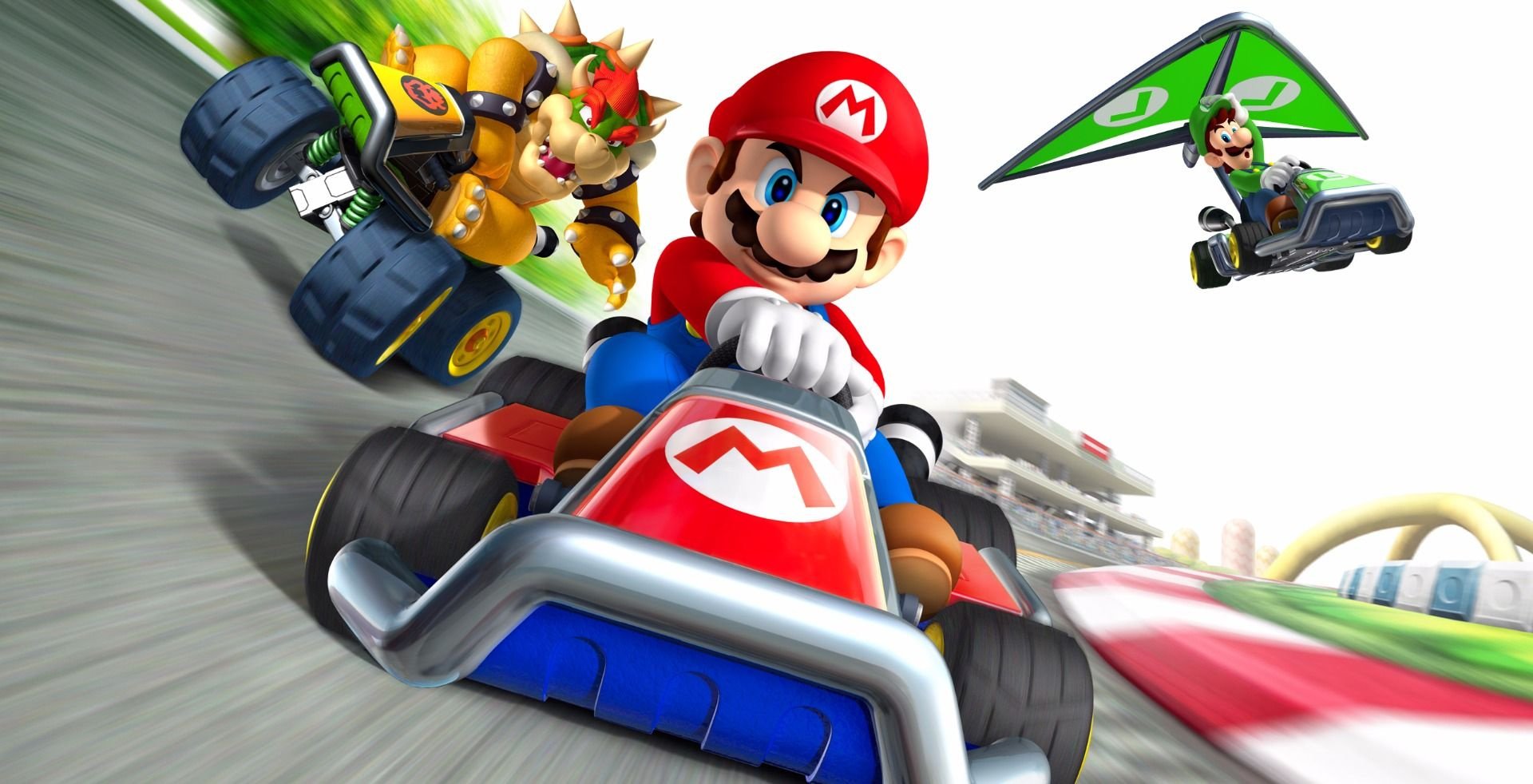
While many pundits have declared that the 3DS is now officially dead with the arrival of the Nintendo Switch, Nintendo's latest shareholder reports suggest that evergreen titles like Mario Kart 7 are still enjoying fantastic success.
In the last financial year, it has been revealed that Mario Kart 7 shifted 1.21 million units across the globe, which takes it up to 18.26 million lifetime sales. Now, of course, much of this will be due to the game being bundled with 2DS consoles lately. Still, an encouraging result for Nintendo as they prepare to launch Mario Kart Tour on smart devices later this year.
Mario Kart 8 Deluxe has predictably done really well in the last financial year also, with seemingly every new Switch owner deciding that it is a must-have for their collection. It sold 7.47m units in the last financial year, taking it to a lifetime total of 16.69m. Not bad for a Wii U port!
Let us know if you think Mario Kart games are the ultimate killer app with a comment below.
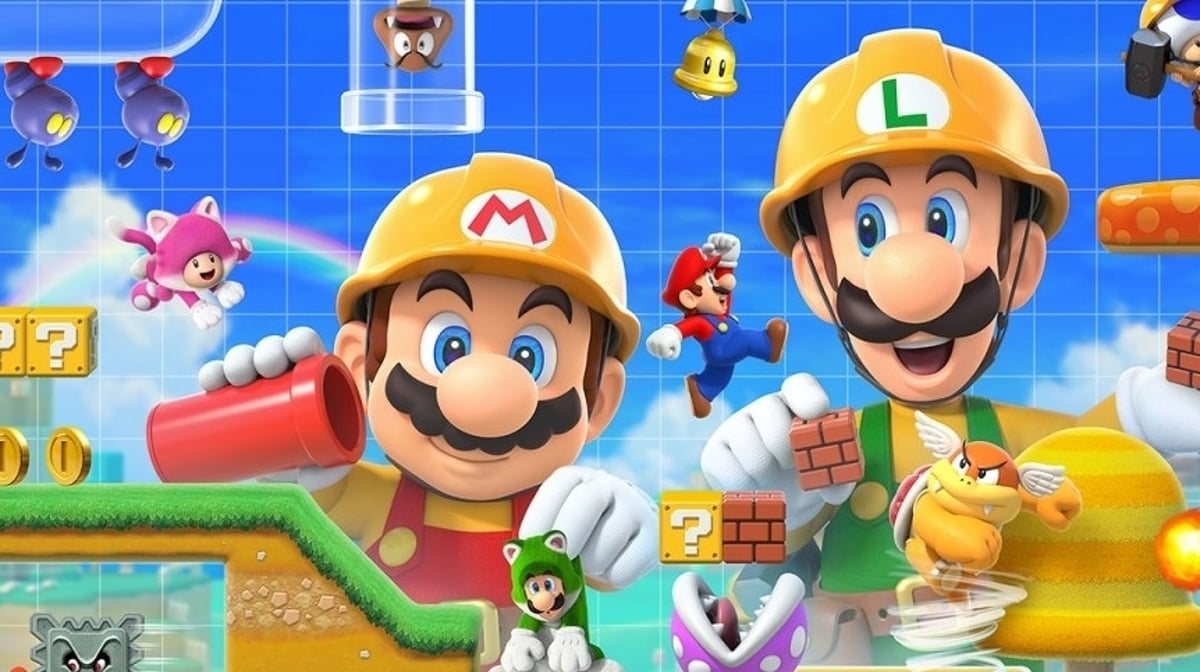
Just a few hours ago, Nintendo finally gave us a solid release date for Super Mario Maker 2. The game will be arriving on 28th June, letting us dive into the crazy world of Mario level creation once more, but there's something else worth pointing out.
If you're thinking of picking up a copy of the game, you might want to consider pre-ordering it ahead of its release. Those who do will be able to get their hands on this Switch stylus, perfect for playing the game in handheld mode and also doubling up as the first ever official stylus released for the console.
A Super Mario Maker 2 Limited Edition bundle which will include this stylus - and a 12-month subscription to Nintendo Switch Online, no less - will be available from select retailers at launch. In a lovely touch, those who want to buy the game digitally can also get in on the action; a digital bundle will also be offered featuring both of these extras (the stylus will be provided via a My Nintendo code).
At the time of writing, these bundles have been confirmed for both Europe and Japan. Here's hoping North America soon follows suit.
It's almost here! Today, Nintendo announced a "Closed Beta Test" for Mario Kart Tour, a long-delayed mobile spin-off that we currently know diddly-squat about. (Seriously, Nintendo hasn't released a single screenshot.) The sneak-preview will be available to Android users in the US and Japan between May 22nd and June 4th. (The final game, of course, will also be available on iOS devices.) If you're intrigued by the title, you can sign up using the QR code on the official Mario Kart Tour website. The long-delayed app is scheduled to come out in "summer 2019," the same time as Doctor Mario, a new game co-developed with messaging titan Line.
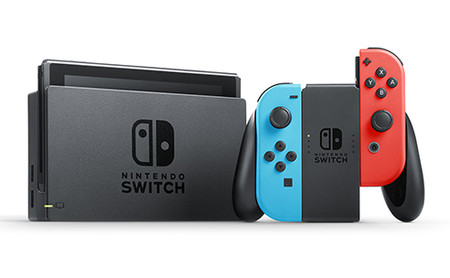
Business news website Bloomberg reported on Wednesday that according to its sources (who wished to remain anonymous), Nintendo will launch a "cheaper" version of its Switch gaming console by the end of June, with a "modest upgrade" also planned for the console. Bloomberg also noted that its sources claimed that Nintendo does not have any plans to release a more "powerful" version of the console.
Japanese financial newspaper Nikkei reported in February that Nintendo was planning to release a smaller version of the Switch as early as this year, with the aim of increasing the console's user base, emphasizing portability with its reduced size, and reducing the cost by cutting some features of the console.
The Nintendo Switch console has sold 32.27 million units worldwide as of December 31.
While it's not officially out yet, the Windows 10 May 2019 update is available to Windows Insiders on the Release Preview distribution channel (and also to MSDN subscribers). So anyone who wants to get a head start on the next major iteration of Windows 10 can do so right now—unless they have USB storage connected to their PC.
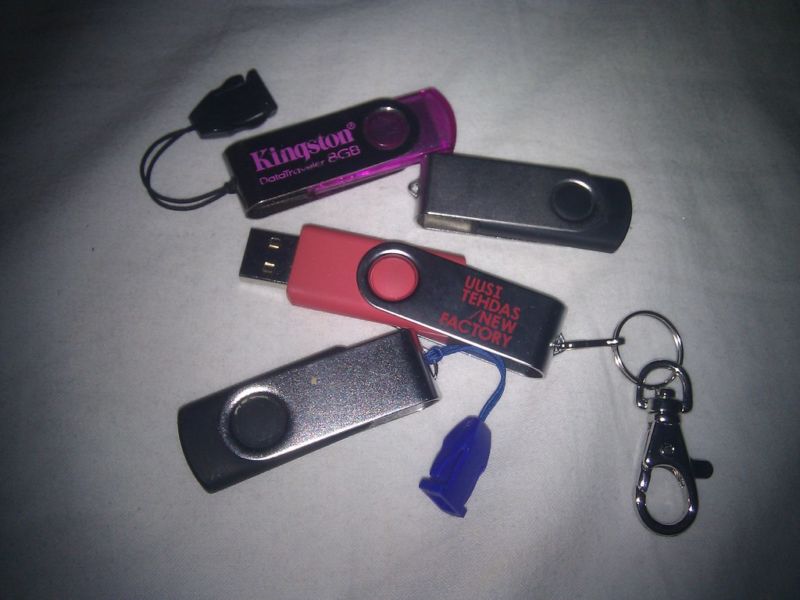
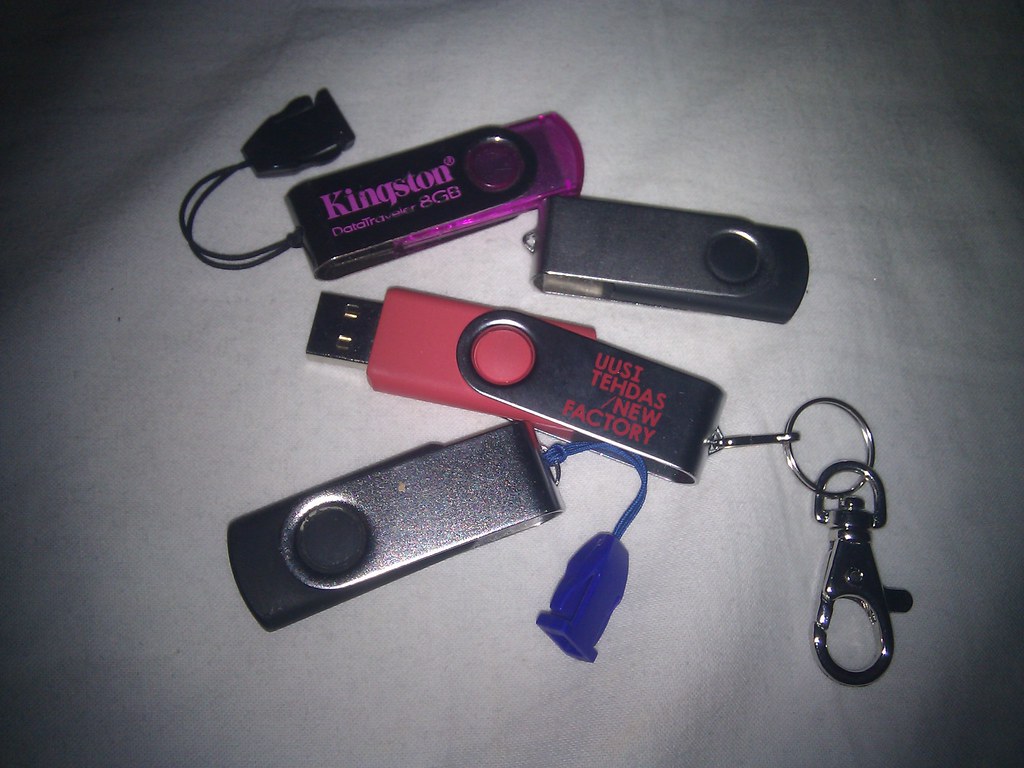
Because of an issue that's frankly remarkable, Microsoft is blocking the update for anyone using USB storage or SD storage. That is to say: if you have a USB hard disk or thumb drive, or an SD card in an SD card reader, the update won't install. Perhaps more strangely, this is only the case if you're currently running version 1803 or 1809; upgrading from 1709 or 1703 (both of which are still supported, at least for Enterprise and Education users) means everything is, apparently, fine.
The reason for blocking the update is that it appears to be prone to shuffling the drive letters assigned to USB and SD storage devices. In other words, while your USB drive might show up as "D:" now, it could end up getting renamed to "E:" after upgrading to 1903. Fortunately, there is a straightforward workaround: unplug the drives and remove the memory card, and the installation will proceed normally. You can then plug them back in after it's finished.
This isn't the first Windows feature update to do peculiar things with drive letter assignment; Windows 1803 would, at least for some people, assign drive letters to the small recovery partitions that the operating system creates. Since the recovery partition is very full, users afflicted with this issue would then be bombarded with warnings to complain that a drive is very low on disk space. This bug was reported during the development of 1803, but apparently not fixed for that release.
As with so many Windows 10 bugs, the real question here is how on Earth this was only detected at this late stage in development. USB storage is not esoteric or unusual, and a problem like this is going to affect a large proportion of Windows 10 users. One can hazard a guess—most of the beta testers upgraded incrementally as each new build was published, and hence for whatever reason never hit the issue; it's only once Microsoft hits Release Preview and people make the big leap from 1803 or 1809 to 1903 without all the intervening builds that the problem shows up. Nonetheless, this is surely something that Microsoft should have tested in house, especially since, as above, 1803 also had issues with drive letter assignments. Microsoft should know that this is a problem area that needs to be checked before shipping a build.







:format(webp):no_upscale()/cdn.vox-cdn.com/uploads/chorus_asset/file/16187943/DG___Review_Screens__1_.jpg)
:format(webp):no_upscale()/cdn.vox-cdn.com/uploads/chorus_asset/file/16187948/DG___Review_Screens__5_.jpg)



 Business news website Bloomberg reported on Wednesday that according to its sources (who wished to remain anonymous),